This post contains an affiliate or referral link. If you use it, we may receive a commission or reward at no extra cost to you. How this works.

A newsletter is one of the more honest ways to build a side income. You write about something you know, people choose to read it, and over time those readers can be worth something: to advertisers, to other newsletters, and to the readers themselves if you offer something worth paying for.
But let’s be clear from the start: it isn’t passive at first. You’ll write for months before it earns much. What makes it compound is that every subscriber you win stays (if you’re useful), so each issue reaches more people than the last.
A quick note: I use beehiiv for my own newsletters, and the beehiiv links in this post are my affiliate link. Sign up through it and you’ll get a 14-day free trial and 20% off your first 3 months on a paid plan. I may earn a commission, at no extra cost to you.
Step 1: Pick a niche you can write about every week
The best newsletter topics sit where three things overlap:
- Something you know or are learning about, so you have a steady supply of ideas
- Something a specific group of people cares about, so they have a reason to subscribe
- Something with money around it, so there are products, tools or sponsors that fit
“Money tips” is too broad. “Money for new parents in the UK” or “side projects for people with a full-time job” is specific enough that the right reader thinks: this is for me.
A simple test: can you list 20 issue ideas in 20 minutes? If you can, you’ve probably got a niche you can sustain.
Step 2: Set up for free
You don’t need to spend anything to begin. beehiiv’s Launch plan is free, with no card needed, covering up to 2,500 subscribers and unlimited email sends. That’s plenty of room to test whether your idea works.
Setting up takes an evening:
- Create a free beehiiv account and name your newsletter.
- Write a one-line promise for your signup page: who it’s for and what they’ll get, e.g. “One practical money idea for busy UK parents, every Sunday.”
- Write a short welcome email: who you are, what to expect and when.
- Publish your first issue before you tell anyone, so new readers have something to see.
Good to know: The free plan doesn’t include beehiiv’s money-making tools, such as its Ad Network, Boosts and paid subscriptions. That’s fine. You won’t need them until you have an audience.
Step 3: Get your first 100 readers
Your first readers will come from people who already know you. That’s normal, and it’s how almost every newsletter starts.
- Tell your network: a personal message works better than a broadcast post.
- Share one useful idea from each issue on the social platform where your readers spend time, with a link to subscribe.
- Add a signup link to your email signature and social profiles.
- Ask readers to forward it. A one-line “know someone who’d like this?” at the end of each issue costs nothing.
As you grow, beehiiv’s built-in referral programme and recommendations from other newsletters can take over some of the work.
Step 4: Measure it, so you can manage it
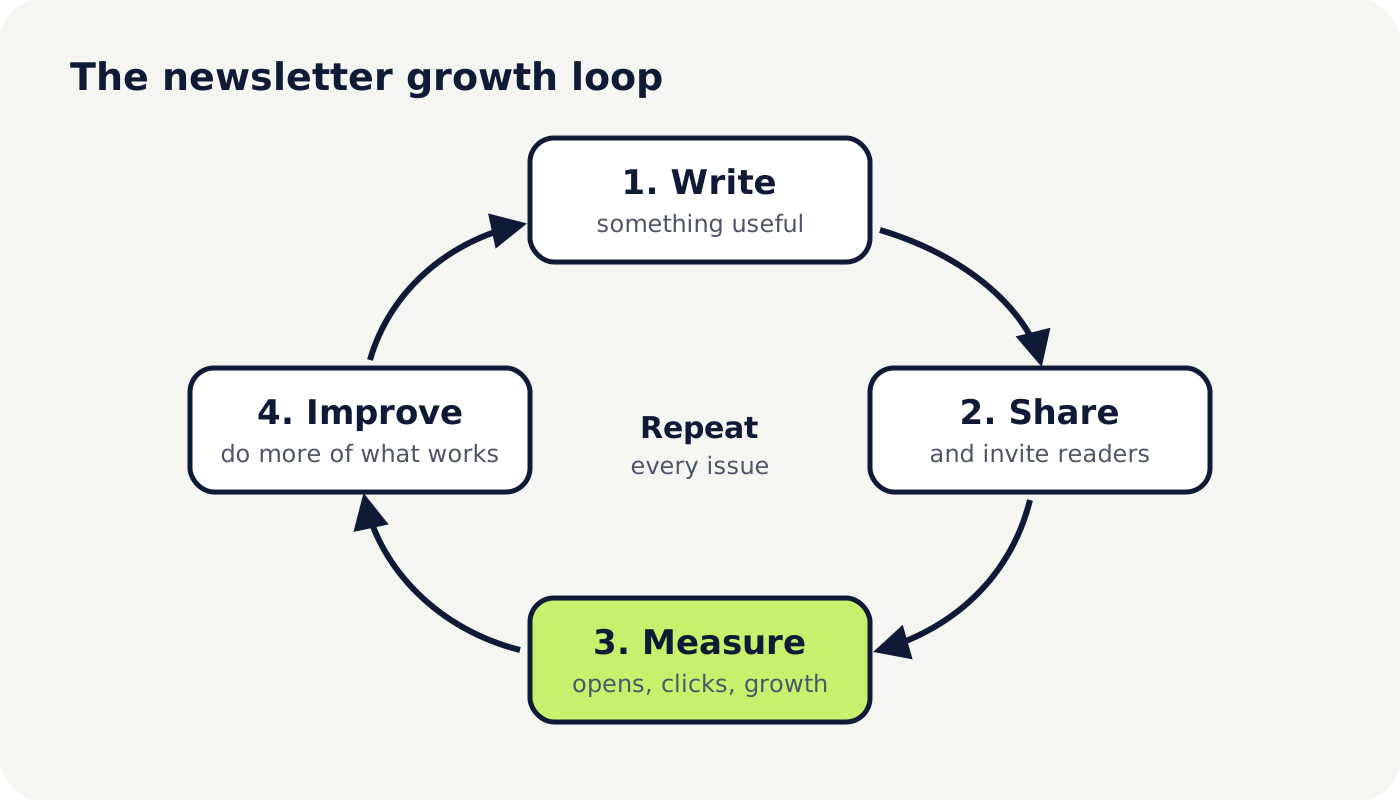
This is where the Compound Story mindset matters. Don’t obsess over subscriber count alone. Track three numbers after every issue:
| What to track | What it tells you |
|---|---|
| Open rate | Whether your subject lines and name earn attention |
| Click rate | Whether your content makes people act, which is what advertisers value |
| Subscriber growth | Whether people are finding and recommending you |
Once a month, look at which issues did best and do more of that. Small improvements, repeated weekly, add up.
Step 5: Stay consistent
The newsletters that make money are rarely the cleverest. They’re the ones that turned up every week for a year. Pick a day, batch-write a couple of issues ahead, and keep each one focused on a single useful idea.
When to think about earning
Start thinking about money once you have engaged readers who open and click regularly, not just a big number. At that point, you can look at the different ways newsletters earn, from affiliate links to paid subscriptions. I’ve covered them all in how newsletters actually make money.
When you’re ready to upgrade, compare your expected earnings with the plan price. Paid beehiiv plans rise as your list grows, so a plan should pay for itself. If you upgrade through my link, you’ll get a 14-day free trial and 20% off your first 3 months, which gives you time to see whether the money-making tools pay off.
The short version
Choose a specific niche you can write about weekly. Start on beehiiv’s free plan, write a clear promise and a welcome email, and get your first 100 readers from people who know you. Track opens, clicks and growth after every issue, and stay consistent. It won’t be passive for the first months, but every reader you keep makes the next issue worth more.
Common questions
How much does it cost to start a newsletter?
Nothing, to begin with. beehiiv's free Launch plan covers up to 2,500 subscribers with unlimited emails. You only need a paid plan when you want its money-making tools or outgrow the free limit.
How often should I send my newsletter?
Weekly is a good starting point for most people. It's frequent enough for readers to remember you and realistic to keep up alongside a job and family. Pick a day and stick to it.
How long does it take to make money from a newsletter?
It varies a lot by niche and effort. Most newsletters take months to build an audience large and engaged enough to earn meaningfully, so treat the first six to twelve months as building, not earning.
Do I have to pay tax on newsletter income?
Possibly. In the UK, the trading allowance lets you earn up to £1,000 a year from self-employment tax-free. Above that, you'll usually need to register for Self Assessment. Check GOV.UK for your situation.
This article is general information, not personal financial advice. Your situation is your own, so check the details for yourself or speak to a regulated adviser before making big decisions. Where investments are mentioned, their value can go down as well as up.